How Humidity in Southeast Asia Affects Solid Wood Furniture
Singapore’s warm, humid climate can change the dimensions of solid wood furniture more noticeably than many buyers expect. In an HDB flat in Tampines or a condominium in Bedok, a wooden bed frame, dining table, wardrobe, or nightstand may experience repeated expansion and contraction as indoor moisture levels shift with the weather and air-conditioning use. A chaise lounge is equally affected: its frame, joints, slats, and upholstered surface must remain stable even when a bedroom feels close to the outdoors on a wet afternoon.
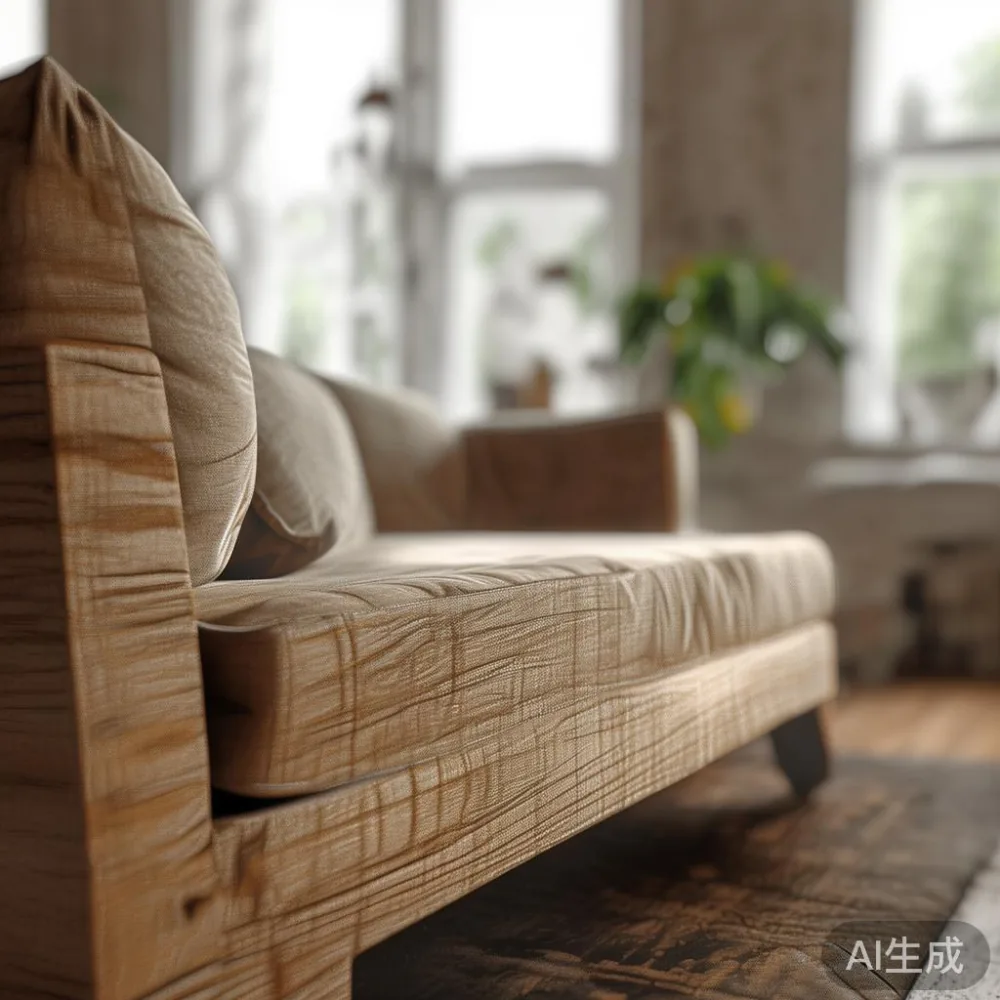
This guide explains how tropical humidity affects wood, why flat dimensions and installation conditions matter, and how Singapore homeowners can protect their furniture without sacrificing style. It also considers the practical constraints of lift access, narrow condominium corridors, GST-inclusive pricing, and the differences between solid wood, engineered wood, marble, and upholstered pieces. MIDHILL has manufactured solid wood furniture since 2008 and exports to more than 15 countries, so tropical conditions are part of the design conversation rather than an afterthought.
Why does Singapore humidity affect solid wood furniture?
Wood is hygroscopic: it absorbs atmospheric moisture when the air is humid and releases it when the air becomes drier. The change does not always appear as obvious decay. More often, a drawer front develops a small ripple, a table top bows by several millimetres, a door catches on its track, or a chair leg loses contact with the floor. Dense hardwoods move less than softwoods, but no solid timber is completely dimensionally stable.
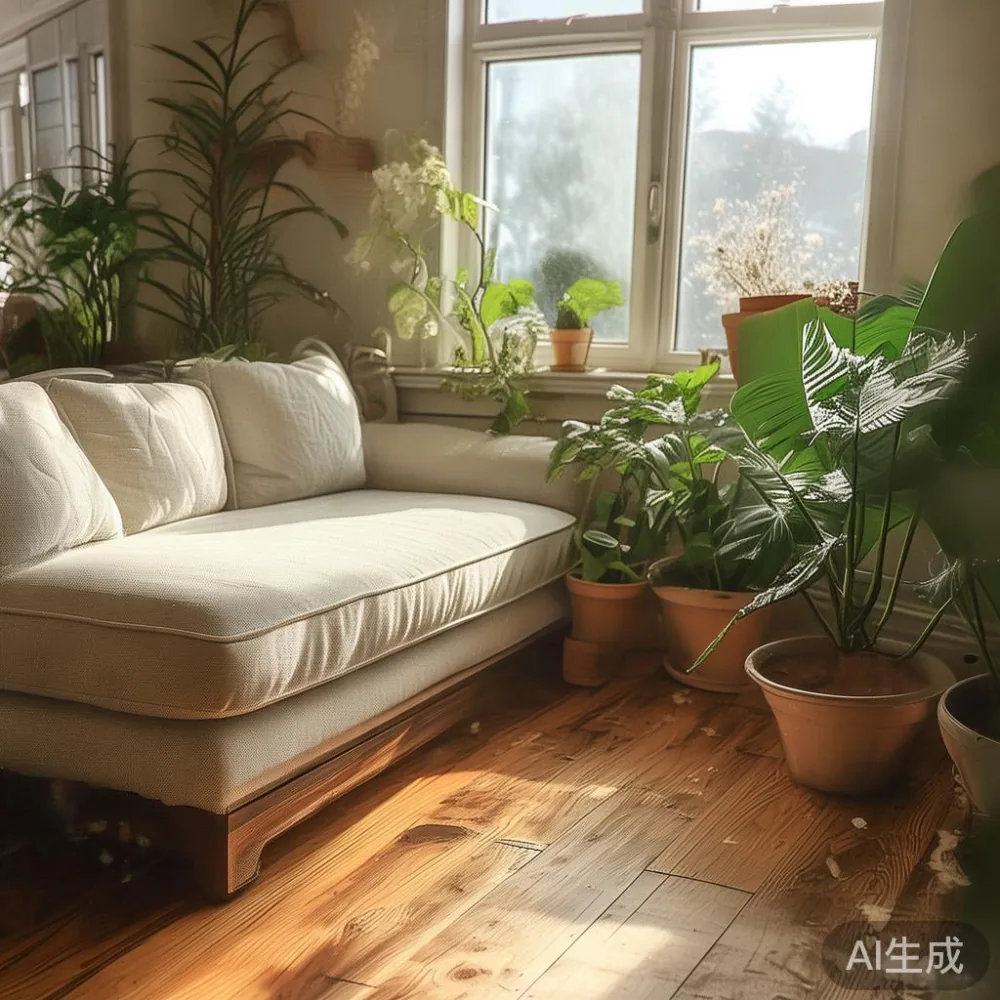
Singapore’s annual relative humidity commonly ranges from roughly 65% to 85%, with higher readings during wet periods and lower readings when an air-conditioner dehumidifies a room for several hours. Air-conditioning does not remove moisture from wood quickly; it can create a stronger contrast between the cool, drier side of a bedroom and the warmer, more humid side near a window or balcony door.
The effect becomes clearer with numbers. A 180 cm long solid oak dining table might move about 1 to 3 mm across its grain during a normal seasonal cycle. A 200 cm bed frame can show 2 to 5 mm of movement, while a long wardrobe side panel may shift by 3 to 6 mm. These are small measurements, yet they are enough to interfere with a 12 mm drawer runner, a 15 mm hinge alignment, or a tight corridor turn during delivery.
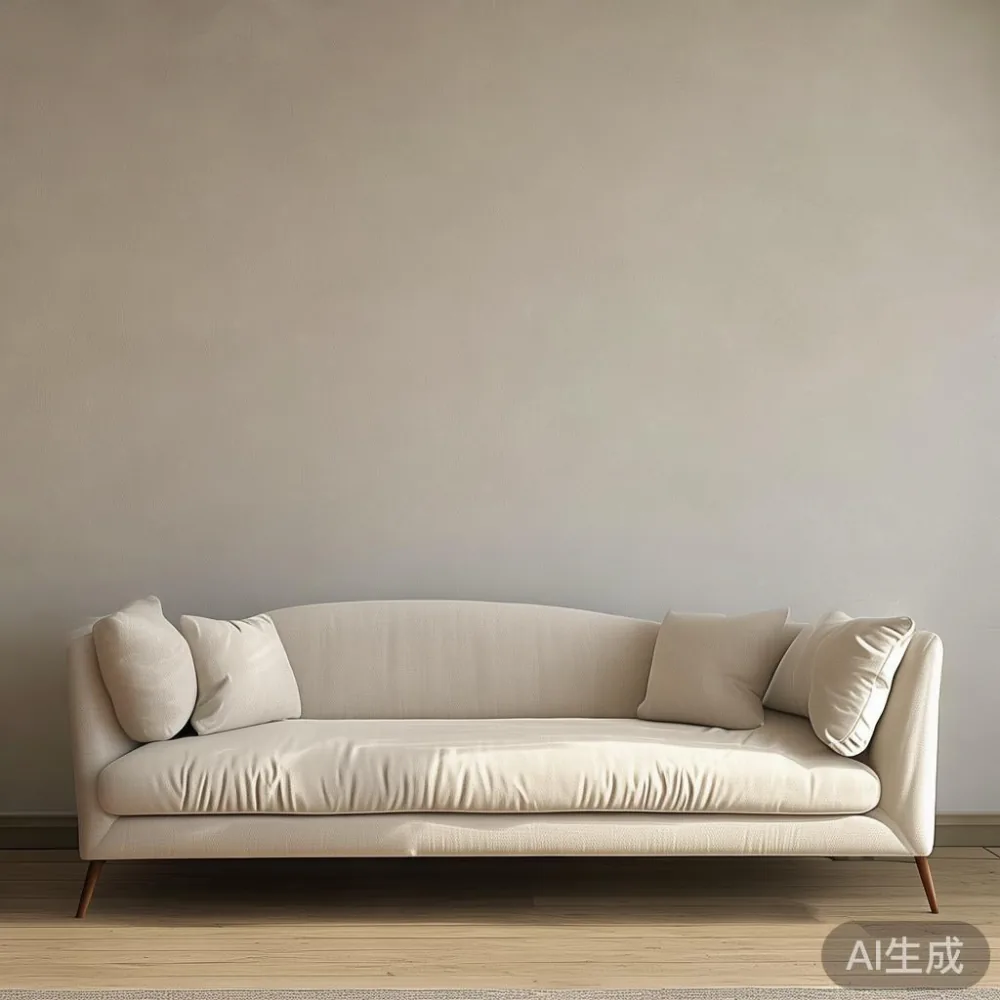
The goal is not to eliminate natural movement. It is to allow controlled movement while protecting the finish, maintaining joint strength, and keeping furniture suitable for a high-rise home.
Which wood species behave well in a Singapore home?
Species selection matters, although construction quality and maintenance remain equally important. White oak, teak, ash, and walnut are widely used for solid wood furniture because they combine attractive grain with reasonable stability. Teak’s natural oils make it a practical choice for humid settings, while white oak offers a firmer, more contemporary appearance suited to solid wood sofa frames and dining tables.
For a chaise lounge intended for a master bedroom, kiln-dried hardwood is preferable to untreated or poorly seasoned timber. Look for a moisture content near 8% to 12% when the furniture is manufactured for an interior environment. Ask the supplier how the timber was dried and how finished pieces were conditioned before packing.
Solid wood sofa frames can remain stable when their rails, legs, and panels are joined with methods that accommodate normal movement. The same principle applies to a bed frame: a slatted base should not be fitted so tightly that expansion creates destructive pressure against the outer rails.
Other furniture types have different demands. A dining table should have an expansion design suited to its span. A wardrobe needs sliding tracks, adjustable hinges, and a rear ventilation gap. A nightstand needs well-fitted drawers and a stable base. A marble table presents a different moisture question: marble itself does not swell like timber, but its timber support structure still requires care, and the top should be carried by properly spaced supports rather than point pressure.
For buyers comparing silhouettes, the search term European sofa vs Japandi sofa is useful, but material construction should come before style labels. A European-inspired solid wood sofa with a carefully made frame and a breathable, removable cover may suit a humid bedroom better than a visually similar piece with a moisture-sensitive composite base.
How much space should I leave around a wooden piece?
Give solid wood room to “breathe,” especially near windows, balcony doors, and external walls. A 20 to 30 cm gap behind a wardrobe helps air circulate and makes cleaning easier. Leave 10 to 15 cm between a tall wardrobe and a bedroom wall where construction permits. For a bed frame, avoid pressing it tightly against a cold external wall, which can collect condensation during temperature changes.
Do not place a dining table directly beneath a laundry balcony or kitchen drying rack where moisture can settle. Keep a solid wood bed frame and nightstand at least 30 cm from an open window where practical. A chaise lounge should sit away from direct sunlight and persistent dampness, but it can occupy the warmer side of a bedroom if the indoor humidity remains reasonably stable.
Use a hygrometer to check conditions rather than relying on a weather forecast. Aim for an indoor relative-humidity reading around 40% to 65%, ideally with no more than a 10% difference between the bedroom and the adjoining living space. When readings remain above 70% for long periods, run the air-conditioner, improve ventilation, and consider a dehumidifier.
Avoid the common mistake of aiming an air vent directly at a solid wood sofa, bed frame, or wardrobe for hours. Air movement improves comfort, but repeated directional drying may cause uneven surface changes. Set the room temperature around 24 to 26°C and use moderate fan or air-conditioning settings instead of creating a strong, constant draught.
What should I check before delivery to an HDB flat or condo?
Measure the complete route before ordering: the car park lift, ground-floor entrance, corridor turns, staircase width, doorway, and the final bedroom position. Standard HDB-accessible moving sizes can vary by block, so confirm the lift dimensions with the building management office rather than assuming every lift accepts a full-length package.
A practical doorway is usually around 80 to 90 cm wide, while some condominium entrances are narrower. A boxed bed frame might measure 190 to 220 cm long and 25 to 40 cm deep, requiring it to be tilted through the doorway. A wardrobe may arrive as panels rather than as one large carcass, which makes transport easier. A dining table may need its top separated from its base. Ask for exact packed dimensions and gross weight, then compare them with the lift car and corridor turns.
Protect floors with cardboard sheets at least 3 mm thick and add protective wrapping for lacquered or upholstered surfaces. Sharp granite and marble table corners require corner guards. For a chaise lounge, confirm whether the back, seat, and arms are removable; a modular design may fit an 800 mm lift car more easily than a single fixed frame.
Singapore customers should include GST in the quoted price. MIDHILL offers free shipping for orders above US$350, but the final Singapore delivery cost should be confirmed in SGD, together with the expected delivery period, typically about 7 to 21 days depending on production and destination. Inspect the package within 48 hours of arrival and retain the protective packaging until assembly is complete.
How do I care for a solid wood chaise lounge in a humid bedroom?
Start with the finish supplied by the manufacturer. If the chaise lounge has a hardwax oil or matte lacquer finish, wipe it with a soft, slightly damp cloth and dry it immediately. Avoid soaking the surface, steam cleaning it, or applying ordinary household polish. If the seat is upholstered, choose a removable cover or performance fabric with a high moisture tolerance and wash it according to its care label.
For routine care, dust with a microfibre cloth once a week. Clean the frame every 2 to 4 weeks and the upholstered area every 1 to 2 months, adjusting for pets, allergies, and visible soiling. Wipe spills within 10 minutes, especially in a room where air-conditioning has created a dry surface that can attract dust more quickly.
Renew the protective finish when water stops beading on the wood, usually every 12 to 24 months in a humid interior. Use only the product recommended for the existing finish. Test it on a concealed area and allow the surface to cure for the stated period, often 24 to 72 hours. Do not place a folded blanket or heavy bedding against a freshly oiled surface for several days.
Leather needs a different routine: wipe with a dry cloth, condition it every 6 to 12 months, and keep it at least 20 to 30 cm from a window. Fabric can be vacuumed with a 200 W suction attachment to avoid pulling fibres. These habits help a chaise lounge retain its shape and appearance through several wet seasons.
Can Singapore humidity damage a bed frame, wardrobe, or dining table?
It can, particularly if inexpensive finishes, wet timber, or unsuitable joinery are used. A bed frame may develop squeaks, loose joints, or uneven slat support as its components move. A wardrobe may bow enough to affect doors, while a dining table can develop wavy edges or a visible “cupping” pattern across the grain. Long spans demand more attention than small pieces such as a nightstand.
Solid wood furniture should be inspected twice a year, ideally before and during the wetter months. Look for gaps larger than 2 mm, doors that need force, surfaces that feel damp, or joints that no longer sit flush. Keep an eye on the back of the unit and the wall behind it; trapped moisture and poor ventilation are more troublesome than humidity alone.
When shopping for a solid wood bed frame, the question “is American bed worth it” should lead to a detailed conversation about timber grade, kiln drying, joinery, centre supports, and warranty. American light luxury often refers to proportion, comfort, and refined detailing, not merely a country of origin. A locally or regionally experienced maker should still understand Singapore’s climate.
French light luxury leans towards graceful profiles, pale upholstery, and understated metal details. Post-modern light luxury can use cleaner geometry, warm timber, and gently curved forms. In each case, the construction should take priority over the decorative language.
For a bedroom, Mid-century modern for bedroom layouts offers slim profiles that can make an HDB room feel less crowded. Similarly, Mid-century modern for guest room design can combine tapered legs with a compact solid wood sofa or daybed. In humid rooms, avoid pushing every piece against the walls; 10 to 15 cm of ventilation space around larger furniture is more useful.
How do I keep a wardrobe and marble table in good condition?
A wardrobe should have adjustable hanging hardware, aligned door hinges, and enough clearance to move. If it stands against an external wall, use a moisture-absorbing strip or small dehumidifier where practical. Keep indoor humidity below roughly 70%, and inspect the top and back corners for staining every 3 months.
Marble table tops should be kept away from acidic liquids, including lemon juice, vinegar, wine, and some bathroom cleaners. Wipe marble with a neutral damp cloth and dry it promptly. Do not use vinegar, which can etch the stone within minutes. Use coasters and felt pads beneath cups, vases, and electronics, and lift objects rather than sliding them across the surface.
Support a marble top with the manufacturer’s specified brackets or a properly sized timber substructure. For a dining table, a dense hardwood base with secure fixings gives better stability than a narrow decorative frame. Temperature changes of more than 10°C can affect some adhesives and sealants, so avoid abrupt shifts such as moving a table from an air-conditioned flat directly into bright outdoor conditions.
What should I ask a furniture supplier before ordering?
Ask for the timber species, thickness of major components, drying method, finish type, expected moisture content, and warranty terms. A credible supplier should be able to provide measurements in centimetres and weight in kilograms, rather than vague statements about quality.
For the chaise lounge, request the fully assembled dimensions, packed dimensions, removable parts, weight, seat height, and the recommended indoor humidity range. If the piece has a solid wood sofa-style frame, ask whether the joints are dowelled, mortised-and-tenoned, or mechanically fixed for humid conditions. For upholstery, request the fabric composition, cover-removal method, and care instructions.
Buyers researching how to choose European bed designs should compare internal construction as well as appearance. Verify centre-leg support, slat spacing, noise-control fittings, and the clearance between the mattress and the frame. A mattress should not be forced into the frame; an overly tight fit can reduce ventilation and alter the intended support.
For delivery, ask whether GST is included, whether lift or corridor restrictions affect the packing, and what happens if the package arrives damaged. MIDHILL provides a 10-year structural warranty, lifetime refinishing, and a 14-day return policy, but buyers should still check the local terms for their specific order.
Last month, I visited a colleague’s three-bedroom HDB flat in Punggol and tested a solid oak nightstand beside a bedroom window. Its moisture meter read about 69% while the corridor side measured 61%, despite both readings being taken within 15 minutes. The nightstand had been delivered 8 weeks earlier and still showed a 2 mm drawer gap. After the team added a 25 cm gap from the window, improved ventilation, and stabilised the room around 58%, the gap remained but stopped increasing. The experience confirmed that controlled conditions matter more than expecting timber to remain perfectly still.
How can I tell whether wood furniture is built for a humid climate?
Good construction is visible in the thickness, fit, and movement of each component. Look for solid timber in the structural rails, not only decorative faces; a bed frame may use 20 to 25 mm rails, while a dining tabletop might be 25 to 40 mm thick depending on its span. These figures are not universal specifications, so use them as points for comparison rather than fixed rules.
Check that drawer fronts have expansion clearance, doors are adjustable, and large panels are not screwed so rigidly that seasonal movement creates splits. Look for smooth-sanding edges, sealed end grain, and finishes applied under controlled conditions. The underside and back of a piece should receive the same protection as the visible surfaces where the design permits.
For the dining table, search for a solid wood dining table with an expansion mechanism suited to its length. For storage, choose a solid wood wardrobe with ventilation gaps and hardware that can be adjusted. For the bedroom, a solid wood nightstand with a drawer runner that allows small movement is more practical in Singapore than a cheap piece with no tolerances.
Some shoppers encounter the phrase best Rustic sofa for 2026 while researching European furniture for a bedroom. That phrase can guide a style search, but the practical question is whether the frame is seasoned timber, whether the cushions are removable, and whether the finish can be maintained in a 65% to 85% outdoor humidity environment.
Finally, think about the whole room. A chaise lounge occupies about 70 to 90 cm of width and 150 to 175 cm of length, depending on its design. Place it where it does not obstruct a 90 cm circulation route or block a bedroom door that opens inward. Keep it at least 30 cm from a window if condensation forms there, and check that nearby products do not require excessive pressure against the frame.
Singapore’s humidity does not make solid wood furniture unusable. It does require sensible species, controlled drying, movement-friendly joinery, protective finishes, ventilation, and realistic maintenance. A well-made chaise lounge, bed frame, dining table, wardrobe, nightstand, or marble table can remain comfortable and visually strong in an HDB flat or condominium for many years when those measures are followed. Check the measurements, inspect the environment, and choose construction that respects wood’s natural response to moisture.