The Art of Chaise Lounge Care: A Guide for Singapore Homes
Imagine sinking into the plush cushions of your new chaise lounge after a long day. The smooth, gleaming lacquered surface catches the light, a statement piece in your Tampines HDB flat or a Punggol condo. This piece of French light luxury furniture isn't just for sitting; it's an investment in comfort and style. However, Singapore's relentless tropical climate, with its average humidity of 84% and daily temperatures hovering around 31°C, presents a unique challenge for maintaining the pristine finish of lacquered surfaces. Unlike the dry air of a European bed vs Mid-century modern bed debate, where wood behaves differently, our environment demands a specific, gentle approach to care.
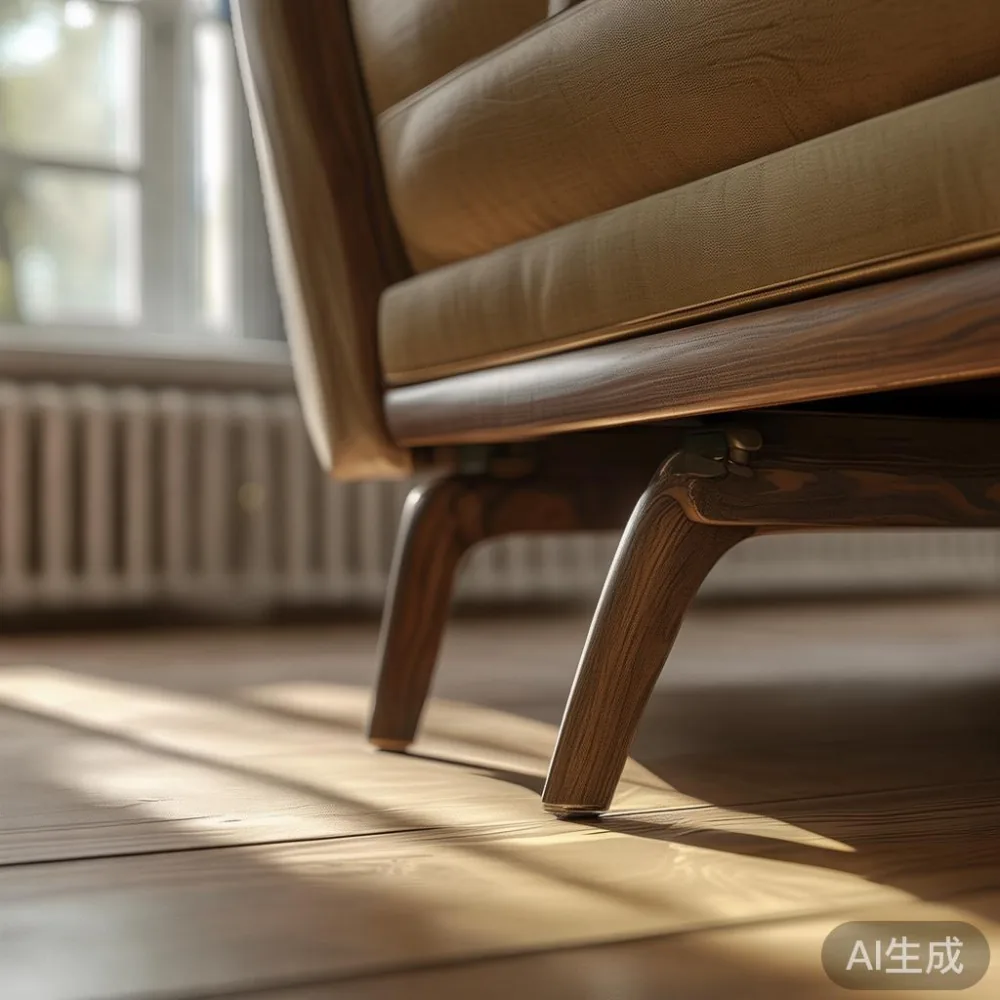
Why Singapore's Climate Poses a Unique Challenge for Lacquer?
Lacquering is a meticulous finishing process that involves applying multiple layers of a clear, hard resin to wood. This creates a durable, glossy, and moisture-resistant surface. The high humidity and heat in Singapore, however, are constant stressors for this finish. Moisture in the air can seep into microscopic pores or imperfections in the lacquer over time, leading to a hazy, cloudy appearance, a phenomenon known as 'blooming.' This is different from water spots, which are surface-level. Blooming occurs when moisture gets trapped beneath the finish, altering how light reflects off it. For owners of a solid wood sofa or a marble table with a lacquered base, this can be a frustrating issue, as the piece loses its intended brilliance.
Also, the constant fluctuation between air-conditioned indoor spaces and the humid outdoors can cause the wood and lacquer to expand and contract. This thermal cycling, while subtle, can stress the finish, potentially leading to fine cracks or 'checking' over many years. This is why understanding the specific needs of your furniture is key. For instance, learning how to style European light luxury wardrobe in apartment settings requires the same awareness of environmental factors to ensure its longevity. The goal is to create a stable micro-environment for your chaise lounge, protecting its French-inspired elegance from the harsh realities of our climate.
How Does Humidity Actually Damage Lacquered Surfaces?
The damage isn't always immediate. It's a slow, cumulative process. Think of the lacquer finish as a protective shield. In a high-humidity environment, this shield is constantly under siege. Tiny amounts of moisture vapor penetrate the microscopic gaps between the wood fibers and the lacquer. This moisture can cause the underlying wood to swell ever so slightly. Since the lacquer is less flexible than the wood, this swelling puts pressure on the finish. Over months and years, this pressure can manifest as:
- Hazing or Cloudiness: The most common issue. The moisture trapped beneath the finish scatters light instead of reflecting it cleanly, making the surface look dull and milky.
- White Spots (Blushing): These are small, circular marks that appear when water condenses on the surface and is not wiped away quickly. The water penetrates the finish and leaves a stain.
- Adhesion Failure: In severe cases, the moisture can break down the chemical bond between the lacquer layers or between the lacquer and the wood, causing the finish to peel or bubble.
This is why simply wiping the surface with a damp cloth is risky. A colleague of mine at our Foshan workshop recently shared a story. He received a customer complaint about a cloudy chaise lounge. Upon investigation, he discovered the owner had been using a wet cloth to clean the surface daily. The constant introduction of moisture, combined with the high ambient humidity, had led to significant blooming. It took a professional refinishing service to restore the piece to its original state, a process that cost the owner over SGD 350 and could have been avoided with proper care.
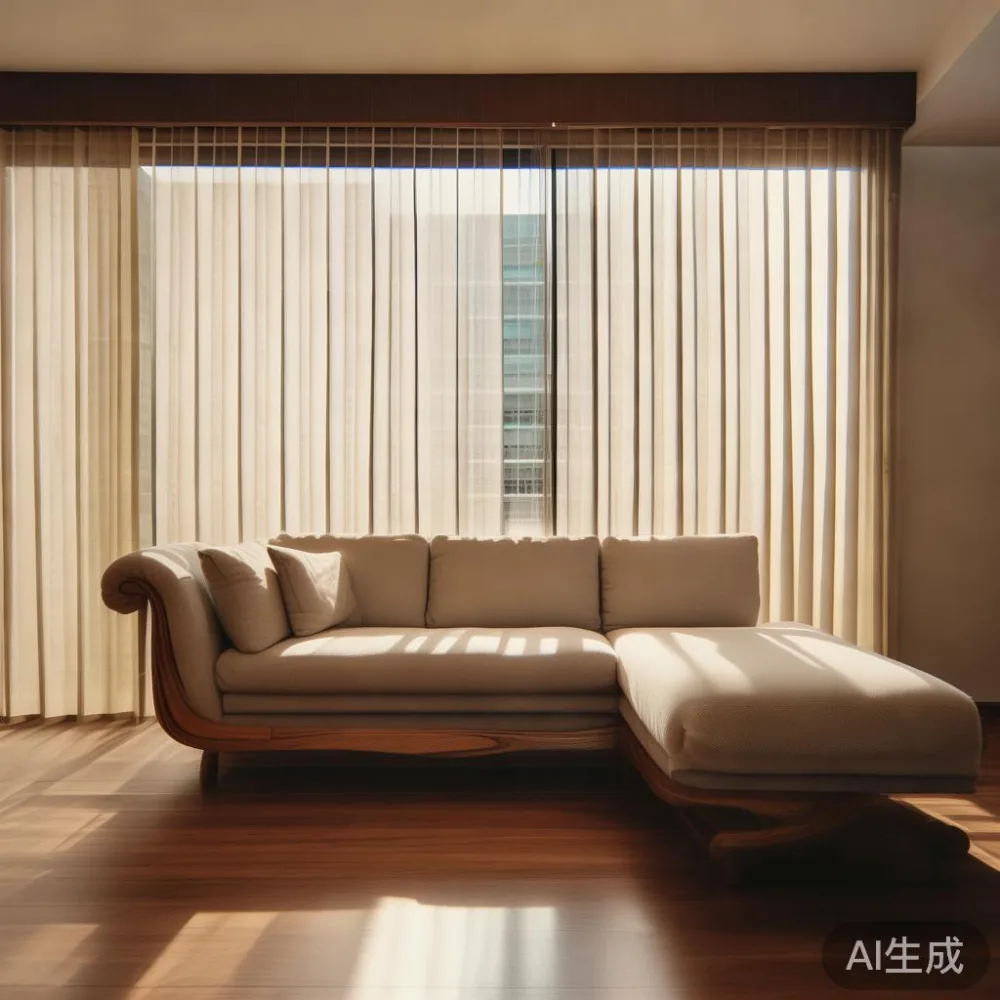
What Cleaning Products Should You Absolutely Avoid on Your Chaise Lounge?
When caring for your chaise lounge, the products you use are just as important as the technique. The wrong substance can strip the lacquer, cause chemical reactions, or leave behind a damaging residue. Here is a definitive list of what to keep far away from your furniture:
- Ammonia-Based Cleaners: Found in many window and glass cleaners, ammonia is a powerful solvent that will dull and eventually strip the lacquer finish, leaving a cloudy haze.
- Acidic or Abrasive Cleaners: Products containing vinegar, lemon juice, or abrasive scrubbing powders will etch the surface, creating permanent micro-scratches that will trap dirt and moisture.
- Oil-Based Polishes or Wax: While they might seem like a good idea for wood, oil-based products can penetrate the lacquer, causing it to become sticky or cloudy. They also attract dust, creating a cycle of cleaning that requires more polish.
- Alcohol and Acetone: These are solvents found in some household cleaners and nail polish removers. They will dissolve the lacquer almost instantly, causing severe damage.
Instead, opt for products specifically designed for lacquered or high-gloss furniture. A simple, safe, and effective homemade solution is a mixture of one part distilled white vinegar to four parts water. However, even this should be used sparingly. For a marble table top paired with a lacquered base, it's safer to use a pH-neutral stone cleaner for the marble and a dedicated lacquer cleaner for the wood base to avoid any cross-contamination of chemicals.
Is it Safe to Use Water to Clean My Lacquered Chaise Lounge?
This is one of the most common questions we receive from customers in Singapore. The short answer is: yes, but with extreme caution and specific conditions. Water is the enemy of lacquer, but it's also the most common cleaning agent. The key is to control its interaction with the surface.
You should never, ever spray water or any cleaning solution directly onto the lacquered surface of your chaise lounge. The moisture will pool in the seams and corners, seeping into the finish and causing the damage described earlier. The correct method is the 'damp cloth, not wet cloth' technique. Here’s how to do it properly:
- Take a soft, lint-free microfiber cloth.
- Dampen it with distilled water. It should be damp to the touch, but not dripping wet. You should be able to wring it out and have it feel almost dry.
- Gently wipe the surface in the direction of the wood grain. Use very light pressure. li>Immediately follow with a second, completely dry microfiber cloth to buff the surface and remove any last traces of moisture.
This two-step process ensures you are not leaving the surface wet for any significant period. Distilled water is preferable to tap water, as it lacks the minerals that can leave behind hard water spots. Remember, for a piece of French light luxury furniture like a chaise lounge, patience and gentleness are paramount. A quick, rough wipe can cause micro-scratches, which will only worsen over time.
What is the Best Daily and Weekly Care Routine for a Lacquered Surface?
Establishing a simple, consistent routine is the best way to protect your investment. Daily and weekly maintenance prevents the buildup of dust and grime, which can act as an abrasive and hold moisture against the finish.
Daily Care (30 seconds)
Use a soft, dry microfiber cloth or a feather duster to gently wipe away dust from the surface of your chaise lounge. This is all that is needed for daily upkeep. This prevents dust particles from settling and scratching the surface when you or someone else sits on or brushes against the furniture.
Weekly Care (2-3 minutes)
Once a week, perform the damp cloth/dry cloth method described above. Focus on areas that get more contact, like the armrests or the headrest of the chaise lounge. Pay attention to any spills immediately. If a drink is knocked over, don't let it sit. Use a dry cloth to soak up as much as possible, then follow with the damp cloth technique. For stubborn spots, a dedicated lacquer cleaner applied to the cloth, not the furniture, is a safe option.
For other pieces in your home, the same principles apply. If you have a dining table with a lacquered finish, the same weekly care routine will keep it looking pristine. When searching for for sale Industrial furniture to complement your dining area, remember that its care will depend on its specific finish, but the principle of avoiding harsh chemicals remains constant.
How Can I Protect My Chaise Lounge from Environmental Factors?
Beyond cleaning, proactive protection is key to preserving your chaise lounge's finish in Singapore's climate. This involves managing its immediate environment and shielding it from potential harm.
Positioning is Key. Avoid placing your chaise lounge directly in front of an air-conditioning vent. The constant, cold, dry air blowing onto one spot of the furniture can cause the finish to dry out and crack over time. Similarly, do not place it in direct, prolonged sunlight. UV rays can fade the lacquer and the underlying wood, changing its colour and weakening the finish. A spot that receives indirect, ambient light is ideal.
Use Coasters and Trays. This is non-negotiable. Always use coasters under glasses, mugs, and vases. For a decorative marble table, use a felt-backed tray to protect both the marble surface and the lacquered base from moisture rings and heat. This simple habit prevents 90% of accidental water damage.
Control Humidity Indoors. While you can't control the weather, you can control the humidity inside your home. Using a dehumidifier, especially in bedrooms where a solid wood bed frame might be located, can help maintain a more stable environment for your furniture. This is particularly relevant when considering the purchase of a European bed vs Mid-century modern bed, as both will benefit from a stable humidity level to prevent warping and finish issues.
When purchasing a new piece like a cheap Italian light luxury furniture item, consider the delivery process. Our standard delivery to Singapore takes 14 business days. During this time, the furniture is protected in our climate-controlled warehouse. Once it arrives in your Tampines or Bedok HDB, ensure it has time to acclimate to your home's temperature and humidity for 24-48 hours before placing it in its final spot. This prevents the wood from reacting too quickly to the change in environment.